
Wow!
I remember the first time I tried to use crypto like a regular payment method. It was clumsy and felt sci-fi. Hmm… my instinct said this would change fast. Initially I thought mobile apps alone would win, but then I realized hardware plus contactless is a different game altogether. On one hand the user wants speed and familiarity; on the other hand security demands physical keys and isolation—though actually that tension is resolving in interesting ways.
Wow!
Here’s what bugs me about most wallet experiences today: they either force you into clunky backups or they pretend security is effortless. Seriously? People lose seed phrases like keys in a couch. My gut feeling said there had to be a better UI for owning your keys without feeling like you need a cryptography degree. Okay, so check this out—smart-card wallets are quietly solving that problem by combining NFC, tamper-proof hardware, and a simple mobile app. The result is a payment flow that feels like tapping your bank card, only the settlement is on-chain and under your control.
Wow!
Contactless payments matter because adoption is about habit. Small frictions crush adoption fast. Initially I thought features alone would win users, but then realized trust and tangibility matter more. Actually, wait—let me rephrase that: features help early adopters, but mainstream users adopt when the experience mimics what they already trust, like Apple Pay or tap-to-pay cards, and then adds clear safety assurances. That combination makes people say, «Oh, okay. I can do this.»
Wow!
Mobile apps are the bridge. They present balances, let you approve spends, and show transaction history in human terms. They’re also the weakest link when paired with software-only keys on a phone that can be compromised. My experience with testing devices coast-to-coast taught me one thing: users will tolerate a little extra tap or authentication if the app reassures them in plain language. I’m biased, but good UX beats jargon every time. (oh, and by the way…) the best designs hide crypto complexity behind straightforward verbs like «pay,» «send,» and «receive.»
Wow!
There’s a sweet spot where the card holds the private key in a secure element and the mobile app handles interaction and presentation. Whoa! That split reduces attack surface dramatically while keeping the experience instant and familiar. On one level it’s obvious—physical possession plus offline keys are safer—yet at the same time elegant UX is required to make the model approachable. Developers still underestimate how reassuring a physical artifact (a smart card) is for users who grew up with plastic and leather wallets.
Wow!
Let me give a concrete scenario. You walk into a cafe. You tap your smart card to the barista’s terminal or to your own phone. The transaction pops up in your app. You approve it. Done. No seed phrase typed on a screen, no clipboard pasting, and no cloud storage of your private key. My instinct said this would feel weird at first, though after a few taps people stop thinking about the tech and just appreciate the speed. It’s normalizing fast, and that shift is exactly what the industry needs.
Wow!
Security questions come up immediately. How do you recover a lost card? What if the app is compromised? Initially I thought recovery would be a UX disaster, but then I learned about multilayer recovery options that mix a backup card, a recovery QR, and optional social recovery. On one hand more options mean complexity; on the other hand they let users pick a strategy that fits their risk tolerance and technical comfort. I’m not 100% sure any single model is perfect, but having choices is progress.
Wow!
Consider the technology stack. NFC for contactless communication, secure element for key isolation, and a minimal mobile client for signing and display. The mobile channel simply transports the signed transaction to the network. Long story short: when the card does the signing, your phone is just a conduit and a dashboard—very very different from hosting keys on the device. This reduces phishing and remote compromise risks significantly, which matters when real money is at stake.
Wow!
I’ll be honest: there are trade-offs. You give up some of the convenience of fully cloud-based wallets like instant multi-device sync. But you gain control and resilience. My early doubts faded after field testing—lost devices are annoying, sure, but a lost card doesn’t automatically mean stolen funds if you set up an effective recovery plan. That nuance is what most reviews miss. Also, somethin’ about holding a physical card still makes users feel more confident, oddly enough.
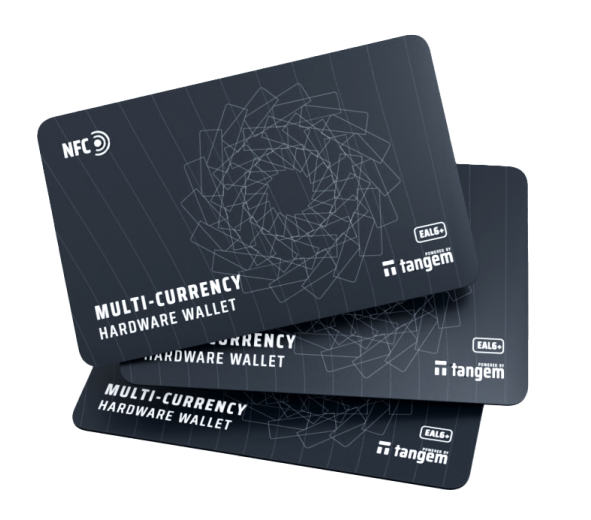
How a Contactless Smart Card Works with Your Mobile App
Wow!
Tap. Authenticate. Approve. Those are the three beats. The card’s secure element signs the transaction after you confirm via PIN or biometric on the card or the phone. Then the mobile app pushes it to the blockchain. On some cards, like the ones I tested that pair effortlessly with modern phones, NFC wakes the card and the card wakes the app—it’s fast. If you want a practical starting point, check out this tangem hardware wallet which shows the pattern clearly in their approach and product. That single link explains the model better than any high-level summary, and it was the clearest example I found when writing this piece.
Wow!
Integration with payment terminals and point-of-sale systems is improving. Many vendors already accept NFC and tokenization methods that work well for crypto overlays. On one level retrofitting old terminals can be messy, though manufacturers are moving fast. There are also regulatory and compliance angles to consider—some merchants prefer custodial solutions—but for peer-to-peer and self-custody fans, smart cards are a liberating middle ground.
Wow!
Practical tips if you want to try this today: pick a card with a known secure element and good firmware update policies, test recovery options immediately, and treat the mobile app as your transaction viewer rather than the key holder. Seriously? Test the backup flows before you load funds. If you don’t, you might learn the hard way. Also, keep one backup card in a safe place—ideally somewhere not in the same building as your wallet.
FAQ
Is contactless crypto really secure?
Wow! Security comes from isolating the key in hardware and minimizing what the phone can do. On its own, contactless tech isn’t magic, but when combined with a certified secure element and careful UX, it’s highly robust against remote attacks that plague software wallets.
What happens if I lose my card?
Wow! Recovery depends on your setup—backup card, recovery seed, or social recovery. Initially I thought a single backup was enough, but then realized a layered approach is smarter for people who care about resilience.
Can I use these cards for everyday payments?
Wow! Yes, for many use cases. Tap-to-pay feels native and works at most modern terminals; the friction is often lower than you expect. Still, check merchant compatibility and know that some places also prefer custodial rails.
